

General
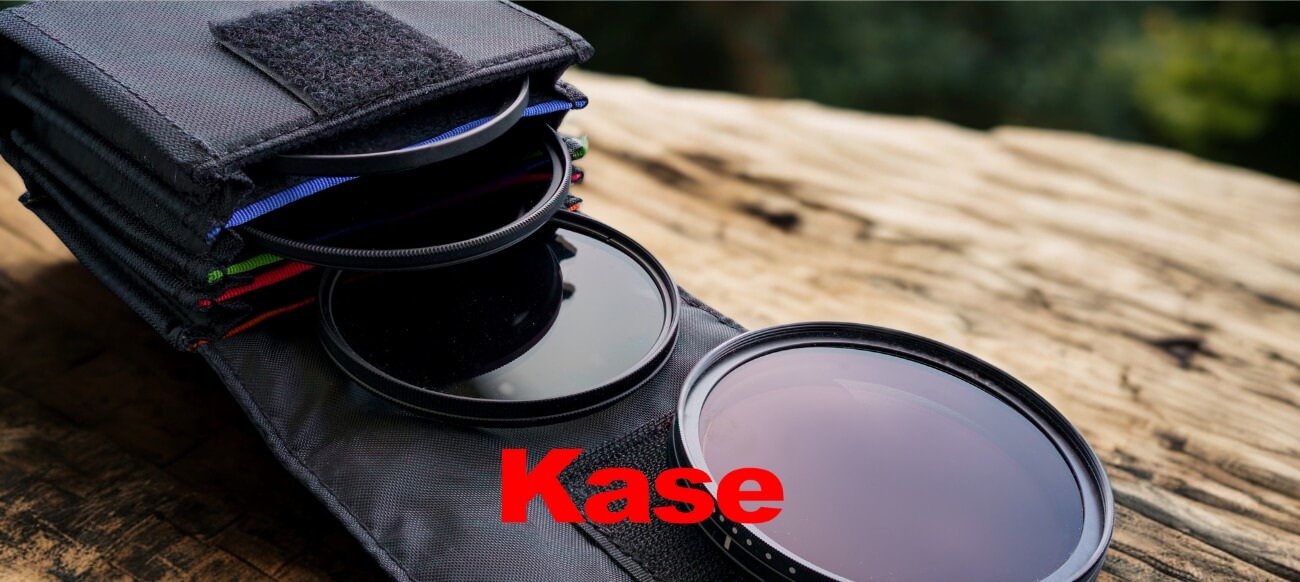
Top lens filters to use in photography
Taking a good raw image and reducing post-processing time is probably the dream of every photographer. And this is why camera filters are still used by so many photographers. While some of the filter effects can be replicated digitally if you prefer it this way, other filters remain irreplaceable. So let’s see which lens filters are must-haves for photography out of all the types and which are nice to have.
4 must-have filters for photography
1. Polarising filter (CPL)
A CPL lens filter is used in photography for blocking polarised light. In real life, that means three things photographers love:
- removing reflections
- deepening blue skies
- boosting colour contrast naturally
A polarising filter cuts glare from non-metallic surfaces like water, glass or wet leaves. If you have ever photographed a lake and couldn’t see through the reflections, a polarising filter fixes that instantly. The same applies to shop windows, car surfaces or foliage after rain.
It also makes skies richer and clouds more defined without looking artificial. Unlike heavy editing, the effect is captured directly in-camera.
For landscape photography, travel, nature and even city scenes, a polarizer is often the first filter photographers buy. And unlike many effects that can be “kind of” recreated in post, removing reflections properly usually cannot.
If you’re building your kit of lens filters for photography, this is where you start.
Check bestselling CPL filters from Kase:
2. ND filter
An ND (Neutral Density) filter reduces the amount of light entering your lens without changing the colours of the image.
Why would you want less light? Because it gives you control over shutter speed and aperture in bright conditions. Without an ND filter, daylight long exposure photography is almost impossible. Your image would simply be overexposed.
An ND filter allows you to:
- create long exposures during the day
- blur water into smooth silk
- capture motion in clouds
- shoot with a wide aperture in bright sunlight
This is a must-have filter for landscape photography. It is also essential for maintaining natural motion blur in videos. Even portrait photographers use ND filters to shoot at f/1.4 in strong daylight without blowing highlights.
Among all lens filters photography relies on, the ND filter is probably the most creative tool that still feels technical.
See most used ND filters from Kase:
3. Graduated ND filter (GND)
Unlike a regular ND filter, which darkens the entire image, a GND filter darkens only part of it, usually the sky.
This solves one of the biggest problems in landscape photography: bright sky + darker foreground = lost detail somewhere.
When you expose for the foreground, the sky becomes white. When you expose for the sky, the foreground becomes too dark. A GND filter balances the exposure directly in the camera by darkening just the brighter part of the scene.
To get this result without a filter, you will need bracket exposures and blend later. But using a GND filter saves time in post-processing, gives you more natural transitions and avoids HDR-looking results.
For sunrise, sunset and high-contrast photography, this is one of the most powerful lens filters you can own.
Discover most popular GND filters
4. UV filter
Originally, UV filters were designed to block ultraviolet light that caused haze in film photography. With modern digital cameras, the UV-blocking effect is less relevant. So why is it still an essential filter?
A UV filter protects your front lens element from scratches, dust, sand, salt spray and accidental fingerprints. Especially if you shoot in harsh environments like beaches, mountains or city streets, it adds a physical barrier that is cheaper to replace than your lens.
Not every photographer uses one permanently, but for travel and outdoor photography, this filter makes sense. This filter is often the simplest and most practical starting point for beginners.
Most popular Kase UV protection filters
Creative lens filters in photography
These filters are not essential for all photographers, but they can add character in some photography genres.
Astro filter
Astro Neutral Night filters are designed for night sky photography. They reduce light pollution and improve contrast in astrophotography, helping stars stand out more clearly against the sky. If you shoot in areas with artificial lighting, this filter can significantly improve your results.
An astro filter is also frequently used in night city photography. For night photographers, it can make the difference between a flat sky and a detailed one.
Discover our filters for astrophotography
Black Mist filter
Black Mist filters soften highlights and reduce contrast slightly, creating a subtle glow effect.
These filters are widely used in portrait photography and cinematic videos. The result is softer skin tones, more organic light transitions and a slightly dreamy look without destroying sharpness completely.
Unlike heavy editing, the glow created by a Black Mist filter interacts naturally with light sources in the scene. That is very hard to replicate perfectly in post.
For photographers who want a more atmospheric look straight out of the camera, this is a powerful creative tool.
Explore the most popular Black Mist filters from Kase
Star filter
A star filter (also called star burst filter) creates star-shaped rays around bright light sources. This effect is popular in:
- night city photography
- festive scenes
- street photography
- creative portraits with lights in the background
While you can create some star effects by stopping down your aperture, a dedicated star filter gives you a much stronger and more stylised result.
It’s not an everyday filter in photography, but when you want that dramatic sparkle, it delivers instantly.
Check out our Star filters
What filter do you need for photography?
If you are lost with so many filter options, use this table to see which filters you may need in a specific genre of photography:
| Photography genre | Most used filters | Optional |
|---|---|---|
| Landscape photography | ND filter, GND filter, polarizer | UV filter |
| Portrait photography | Black Mist filter | ND filter, Polarising filter |
| Night photography | Astro filter | Star filter, ND filter |
| City photography | Polarising filter, ND filter | Star filter, Black Mist |
| Travel photography | Polarising filter, ND filter | UV filter |
Final thoughts: filters in photography are still worth it!
Lens filters are not outdated tools from the film era. They are practical solutions for real-world light problems even now.
The biggest advantage of using lens filters in photography is simple: you control light before it hits your sensor. Some effects can be edited later. Others cannot. And even when they can, starting with a better raw image always saves time and preserves quality.
If you are building your filter kit, start with a basic UV protection filter and a polarising filter. Then expand depending on your genre and creative goals.
Need help finding the right filter for your style of photography? Talk to our team!